Showing posts with label U.S. HEPA Vacuum Filters Market. Show all posts

Wednesday, 16 July 2025

U.S. HEPA Vacuum Filters Market Set for Growth Amid Rising Air Quality Concerns


U.S. HEPA Vacuum Filters Market: Elevating Indoor Air Quality with High-Efficiency Filtration

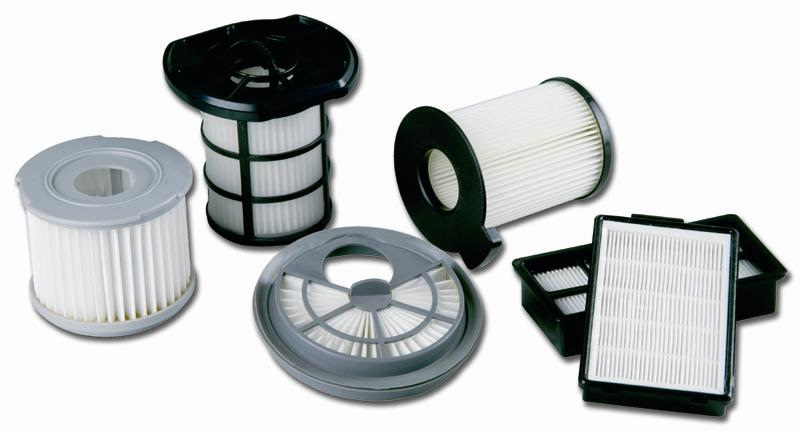
As air quality becomes a central concern for American households, healthcare institutions, and commercial facilities, HEPA (High Efficiency Particulate Air) vacuum filters are emerging as essential components for safe and clean environments. These advanced filters, designed to trap 99.97% of microscopic particles, are at the heart of modern vacuum systems — from residential units to industrial-grade machines.

The U.S. HEPA vacuum filters market is witnessing robust demand, fueled by rising health awareness, increasing allergy and asthma cases, and growing regulatory focus on indoor air quality. As consumers and businesses alike prioritize hygiene and clean air, the market is poised for sustained growth over the coming years.

Request Sample copy of the Report - https://www.transparencymarketresearch.com/sample/sample.php?flag=S&rep_id=518

Why HEPA Filters Are a Must-Have in Modern Vacuums

Unlike standard filters, HEPA filters are engineered to capture the smallest and most harmful airborne particles — including dust mites, pollen, pet dander, mold spores, and even some bacteria and viruses. Their use ensures not only visible cleanliness but also safer breathing environments, particularly important in homes with children, pets, or immunocompromised individuals.

In commercial and industrial settings, such as hospitals, cleanrooms, schools, and hospitality venues, HEPA vacuum filters are vital to meet stringent cleanliness standards and protect occupants from airborne contaminants.

Market Growth Drivers: What’s Fueling the Rise?

🏠 Increased Focus on Indoor Air Quality

With Americans spending more than 90% of their time indoors, air quality has become a top priority. HEPA vacuum filters play a critical role in improving indoor environments by preventing dust and allergens from recirculating into the air during vacuuming.

😷 Rise in Allergies and Respiratory Illnesses

According to the CDC, over 25 million people in the U.S. suffer from asthma. HEPA filtration is often recommended by doctors as part of allergy management, driving demand for HEPA-equipped vacuums in households and healthcare settings.

🏢 Growth in Commercial and Industrial Cleaning

Sectors such as healthcare, hospitality, food processing, and education are investing in commercial-grade HEPA vacuum systems to meet health and safety protocols. From hospitals to hotels, maintaining hygienic spaces has become a competitive advantage — and HEPA filters are central to that effort.

️ Sustainability and Replacement Demand

HEPA filters typically require regular replacement to maintain effectiveness. This recurring need is generating steady aftermarket revenue while also encouraging manufacturers to develop recyclable and eco-friendly filter solutions.

Key Market Segments and Trends

By Filter Type: True HEPA Filters Dominate

True HEPA filters that meet the strict U.S. Department of Energy standards are the gold standard, particularly in medical and residential environments. HEPA-like or HEPA-type filters exist, but consumers are increasingly opting for certified products to ensure performance.

By Application: Residential Segment Leads, Commercial Segment Expands

The residential segment accounts for the largest market share due to rising health awareness and adoption of smart home cleaning systems. However, the commercial sector — including offices, hospitals, and schools — is rapidly adopting HEPA vacuums to comply with hygiene regulations and employee wellness initiatives.

By Sales Channel: E-commerce Rising Rapidly

Online platforms are becoming the preferred channel for HEPA vacuum filters, thanks to product variety, subscription models for filter replacements, and ease of comparison. However, brick-and-mortar stores still hold strong in the replacement parts category.

Regional Insights: Nationwide Growth Across Urban and Suburban Areas

  • Northeast U.S. shows high demand due to urban density and allergen-prone climates.
  • Western states, particularly California, are emphasizing HEPA adoption in wildfire-prone areas to reduce indoor smoke exposure.
  • Southern states are seeing growth in residential and hospitality usage, while Midwestern cities are adopting HEPA solutions in industrial and medical cleaning systems.

Opportunities and Challenges

🌟 Opportunities

  • Smart Filter Monitoring: Integration of sensors to alert users when filters need replacement is adding value and encouraging regular maintenance.
  • Eco-friendly Innovations: Recyclable and biodegradable filter materials are gaining attention among eco-conscious consumers.
  • Bundled Solutions: Manufacturers are offering subscription services for filter replacements and extending warranties to enhance brand loyalty.

️ Challenges

  • Price Sensitivity: True HEPA filters are more expensive than standard filters, which can deter budget-conscious buyers.
  • Consumer Misunderstanding: Confusion between “HEPA-type” and “True HEPA” filters can impact buying decisions and satisfaction.
  • Counterfeit Products: Online marketplaces sometimes list non-certified filters as HEPA-compliant, affecting trust and performance.

Competitive Landscape: Innovation and Branding in Focus

Leading players in the U.S. HEPA vacuum filters market are focusing on:

  • Certifications and trust marks to assure buyers of filter efficiency
  • Partnerships with vacuum brands to ensure compatibility and performance
  • Subscription and loyalty programs to retain customers through auto-delivery models
  • Education campaigns to promote awareness around proper HEPA filter maintenance and benefits

Companies are also developing multi-layer filters, combining HEPA with activated carbon to remove odors and chemical vapors — appealing to consumers with pets or sensitivities.

The Future of HEPA Vacuum Filters in the U.S.

With heightened attention to cleanliness and airborne health risks, HEPA vacuum filters will continue to play a vital role in homes, hospitals, schools, and beyond. The future is likely to feature:

  • AI-powered smart vacuums that monitor and optimize filter usage
  • HEPA standards in commercial building codes
  • Higher demand for portable, battery-powered vacuums with HEPA capabilities
  • Expansion of filter recycling and circular economy models

As the market continues to expand and evolve, businesses that prioritize performance, transparency, and sustainability in their HEPA offerings are poised for long-term success.

Conclusion

The U.S. HEPA vacuum filters market is a powerful reflection of how cleanliness, health, and technology are converging in modern living and working environments. As consumers grow more aware of the invisible threats in the air around them, HEPA filters offer a trusted and proven solution. Whether in a suburban household, a high-rise office, or a state-of-the-art hospital, the message is clear: clean air begins with efficient filtration — and HEPA is leading the way.


Thursday, 10 July 2025

U.S. HEPA Vacuum Filters Market: Outlook 2035 – Size, Trends & Forecast


The demand for clean, breathable indoor air is no longer a luxury—it’s a necessity. From residential homes to hospitals and industrial spaces, high-efficiency air filtration has become a key feature of modern life. At the heart of this transformation are HEPA vacuum filters, engineered to trap even the smallest airborne particles. As more Americans prioritize health, hygiene, and environmental safety, the U.S. HEPA vacuum filters market is witnessing significant growth.

Market Overview

The U.S. HEPA (High Efficiency Particulate Air) vacuum filters market stood at an estimated USD 1.2 billion in 2023. With increasing awareness about air quality and growing applications across commercial and residential settings, the market is projected to expand at a compound annual growth rate (CAGR) of 6.1% between 2024 and 2033. By the end of this forecast period, the industry is expected to surpass USD 2.1 billion in total value.

This robust growth is being driven by a convergence of consumer expectations, public health guidelines, and advancements in vacuum technology.

Sample Copy of this report - https://www.transparencymarketresearch.com/sample/sample.php?flag=S&rep_id=518

What Are HEPA Vacuum Filters?

HEPA filters are designed to trap at least 99.97% of particles that are 0.3 microns or larger. These include common allergens such as dust, pet dander, pollen, mold spores, and even microscopic bacteria and viruses. When installed in vacuum cleaners, HEPA filters dramatically improve indoor air quality, making them especially valuable for individuals with respiratory conditions or allergies.

Key Growth Drivers

1. Increased Awareness of Indoor Air Quality

The growing emphasis on indoor air safety—particularly post-pandemic—has heightened interest in filtration solutions. Consumers are now more informed about pollutants like fine dust, mold spores, and airborne bacteria. HEPA filters, known for their effectiveness, have become a go-to feature in modern vacuum systems.

2. Health-Driven Consumer Preferences

More households are actively investing in appliances that improve well-being. HEPA vacuum filters play a significant role in reducing exposure to asthma and allergy triggers. As health-consciousness continues to influence purchasing decisions, demand for HEPA-equipped vacuum cleaners is set to grow.

3. Regulatory Pressure and Compliance

Institutions such as hospitals, laboratories, and schools are now required to meet stringent cleanliness and air safety standards. These facilities rely heavily on industrial vacuums fitted with HEPA filters to comply with regulatory guidelines. This has expanded the market for commercial-grade HEPA systems.

4. Smart Home and Appliance Integration

The integration of vacuum cleaners into smart home ecosystems is driving innovation. HEPA filters are now being included in robotic vacuums and self-cleaning systems. As home automation grows in popularity, the adoption of high-efficiency filtration systems will rise in parallel.

Market Segmentation

By Type of Filter

  • True HEPA Filters: Offer the highest level of filtration, used in both residential and commercial settings.
  • HEPA-Type Filters: More affordable but slightly less efficient, catering to cost-sensitive consumers.
  • Washable and Reusable HEPA Filters: Gaining popularity due to sustainability and convenience.

By Application

  • Residential: This segment represents the majority of current demand, driven by family households and pet owners.
  • Commercial: Offices, hotels, retail spaces, and schools are adopting HEPA vacuum systems to enhance cleanliness.
  • Industrial and Medical: Specialized vacuums with medical-grade filters are used in hospitals, labs, and cleanrooms.

Regional Insights

United States: A Clear Leader

The U.S. is at the forefront of the HEPA vacuum filter market. Factors such as high disposable income, consumer awareness, and a preference for premium home appliances make the U.S. a hotspot for innovation and adoption.

The commercial sector—particularly healthcare, education, and hospitality—also plays a significant role. Institutions demand high-performance filtration systems that ensure safe, sterile environments.

The growing number of environmentally conscious consumers has also led to increased interest in HEPA filters made from sustainable materials and those that are washable and long-lasting.

Innovation Trends Reshaping the Market

1. Smart HEPA Filters

Advanced filtration systems now come equipped with sensors that alert users when a filter needs replacement or cleaning. This not only enhances efficiency but also extends the product life cycle.

2. Eco-friendly Materials

Manufacturers are turning toward biodegradable or recyclable filter components. The emphasis on green innovation is also reflected in reusable filters that can be washed and reused without compromising performance.

3. Portable and Cordless Vacuum Integration

As compact and cordless vacuums gain popularity, the demand for miniaturized but powerful HEPA filters has grown. These new formats are convenient for urban dwellers and small living spaces.

4. Subscription Models for Filter Replacement

To simplify maintenance, companies are launching subscription services that deliver replacement filters to customers’ doorsteps. This adds convenience and fosters brand loyalty.

Challenges in the Market

Despite strong growth potential, the HEPA vacuum filters market faces certain challenges:

  • Higher Cost: True HEPA filters tend to be more expensive than standard filters, which may deter price-sensitive customers.
  • Limited Consumer Awareness: Many consumers confuse "HEPA-like" filters with certified HEPA, leading to misinformation and subpar performance.
  • Replacement Compliance: Filters require timely replacement to remain effective. Many users fail to replace filters on schedule, reducing product effectiveness.

Manufacturers and retailers must invest in consumer education and clear product labeling to overcome these barriers.

Strategic Opportunities for Market Participants

For Manufacturers:

  • Focus on developing energy-efficient and sustainable HEPA filters.
  • Partner with smart appliance brands to integrate filters into connected home ecosystems.
  • Create low-noise, low-emission vacuum systems to align with urban customer needs.

For Distributors and Retailers:

  • Provide clear educational content to highlight the benefits of HEPA filters.
  • Introduce bundle offers with filter replacement kits or annual maintenance plans.
  • Target regions with high urban density and allergy prevalence.

For Investors:

  • Back companies involved in eco-innovation, IoT integration, or health-tech home appliances.
  • Consider the growth of subscription-based replacement services as a recurring revenue model.

Outlook: A Clear Path Ahead

As we move toward healthier, smarter, and more sustainable living spaces, HEPA vacuum filters will continue to play a pivotal role. The emphasis on air quality is no longer limited to sensitive groups—it’s a mainstream concern affecting how consumers evaluate appliances and cleaning systems.

With the market expected to nearly double in size over the next decade, stakeholders who embrace innovation, prioritize health, and meet evolving regulatory standards will be best positioned to succeed.

The U.S. HEPA vacuum filters market is not just about clean floors—it’s about enabling cleaner lives, one breath at a time.